· 12 min read
Choosing trailer inspection software for DVSA records
A practical comparison of trailer inspection record software in the UK, covering DVSA evidence, defect reporting, reminders and operator-licence needs.
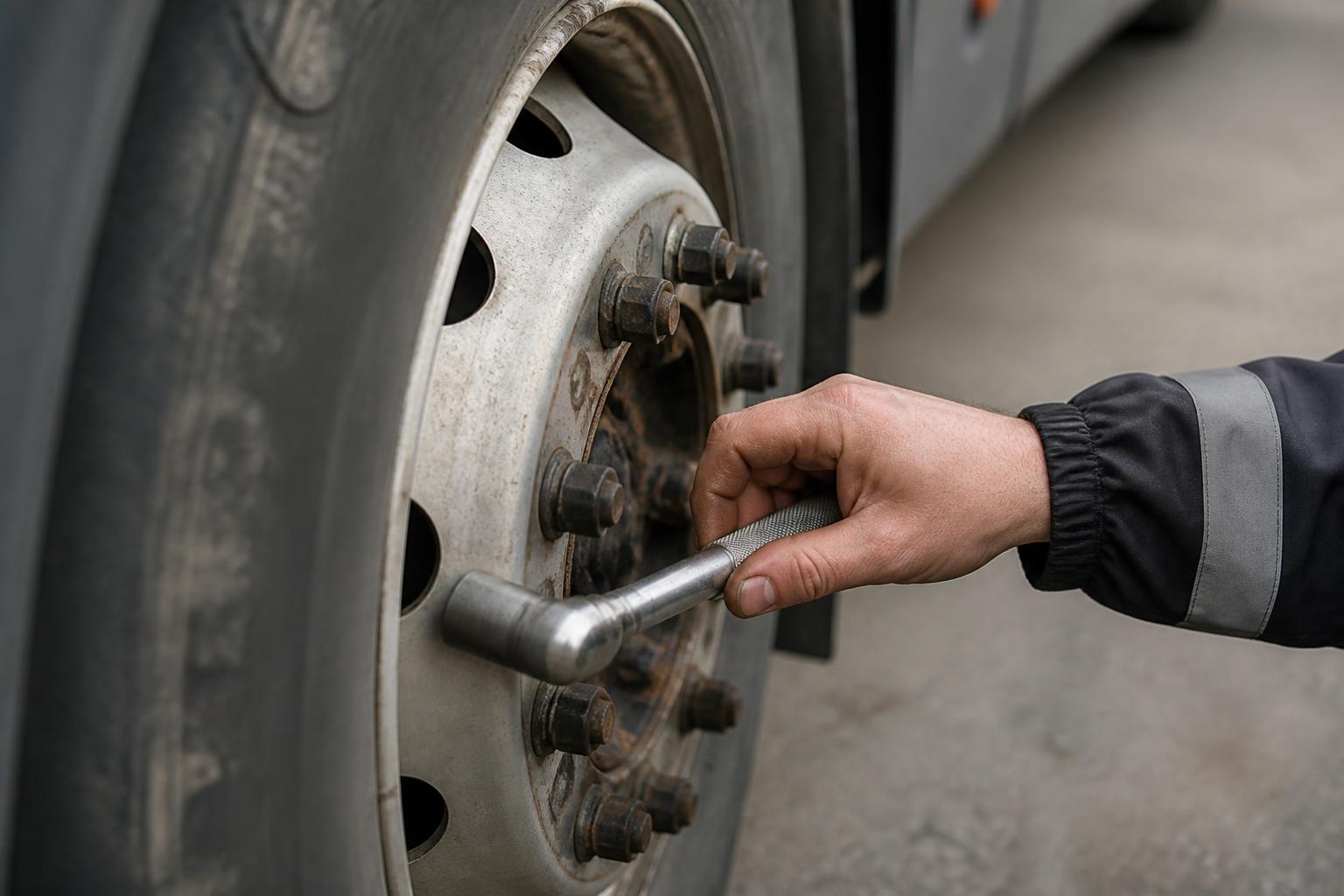
If you are choosing software for trailer inspection records in the UK, the test is simple. Can you show DVSA and, if needed, the Traffic Commissioner, a clear maintenance history for each trailer, with planned inspection dates, completed inspection sheets, defect records, rectification evidence and sign-off? If the answer is not an immediate yes, the system is leaving a gap.
For most operators, the right choice is not just a trailer checklist app. It is a compliance system that keeps trailer records alongside the rest of the operator-licence file. That matters because trailers do not sit on their own in real operations. They move between units, depots, drivers and workshops, and their records need to stay complete, dated and easy to produce.
What UK operators actually need from trailer inspection records
In a UK operator-licence context, trailer inspection records are not just a service reminder. They are evidence that you have a proper system for keeping trailers roadworthy.
At a practical level, each trailer should have a maintenance history that shows:
- the trailer identity, normally fleet number and registration where applicable
- the safety inspection interval set for that trailer
- the planned inspection dates
- the actual inspection dates
- the inspection report itself
- any defects found
- what action was taken
- when the defects were rectified
- who inspected the trailer
- who signed the work off
- any periods when the trailer was VOR
- supporting documents such as brake test results, service sheets, invoices or photographs where relevant
That is the minimum working record. It needs to be organised by trailer, not spread across email chains, workshop notebooks and shared drives.
Frequency is the next point. DVSA does not set one single inspection interval for every trailer. Operators are expected to set appropriate safety inspection intervals based on use, mileage, load, operating conditions, age and manufacturer guidance, then stick to them. In practice, transport managers need software that lets them set intervals by trailer or by asset group, then warns them well before the due date. If you want a refresher on how to think about intervals, our guide to setting safety inspection intervals covers the operational side.
Defects need their own workflow. A trailer inspection report should not end at “defect noted”. You need to be able to show whether the defect was safety critical, whether the trailer was taken off the road, what repair was carried out and who authorised the return to service. If the trailer should have been VOR, the record should make that obvious. A system that stores only the inspection sheet, without the rectification trail, leaves you doing the hard part manually.
Sign-off matters as well. For DVSA purposes, the value of a record is in being able to show who did what and when. That means named users, date and time stamps, and a clear distinction between inspection, repair and review. A typed name in a spreadsheet cell is weak evidence. A signed digital inspection linked to the trailer, with a record of later edits, is much stronger.
Document retention is often overlooked. Operators need to keep maintenance records available for inspection and in a form that can be produced quickly. In a Traffic Commissioner case, the issue is rarely whether a document existed at some point. The issue is whether you can produce a complete, credible file when asked. Our article on operator-licence maintenance records goes into the record set that usually needs to be available.
Where the UK position differs from wider EU assumptions, it is mainly in the operator-licence framework and the way evidence is examined. A generic fleet app built for multiple countries may handle servicing reminders well enough, but still miss the practical record-keeping expectations around UK operator licensing, DVSA encounters and Traffic Commissioner scrutiny.
How to compare software without missing compliance gaps
When comparing systems, it helps to ignore the homepage claims and work through the record from start to finish. If a trailer is due an inspection next Tuesday, develops a defect on Wednesday, is repaired on Thursday and is called for records next month, can the software support that whole chain?
Start with scheduling. The system should let you:
- assign inspection intervals by trailer
- schedule future inspections automatically
- view due dates by day, week, month or ISO week
- see overdue inspections clearly
- receive alerts before dates are missed
- reschedule with an audit trail when operational changes are justified
A calendar alone is not enough. You need evidence of the plan and evidence of completion.
Next, look at the inspection form itself. Trailer inspections need forms that are usable in the workshop or on a mobile device and detailed enough to reflect actual inspection items. A good system allows structured defect capture, not just free text. It should also support attached evidence, such as brake performance results, tyre photographs or service documents. If the software cannot store the completed inspection sheet as a fixed record, it is not doing the core job.
Defect workflow is where weak systems are exposed. Ask these questions:
- Can defects be classified by severity?
- Can the trailer be marked VOR?
- Can rectification be assigned to a workshop or user?
- Can you record the repair date and details?
- Can you prevent silent closure of unresolved defects?
- Can you show open defects and overdue repairs on one screen?
That workflow is what turns a checklist into a maintenance record.
Document storage needs to be trailer-specific and searchable. You should be able to open one trailer file and see inspections, defect reports, repair evidence, annual-test history and any related documents in date order. If records are stored only as general uploads in folders, retrieval becomes slow and errors creep in.
Audit trail is non-negotiable. For compliance purposes, it should be possible to see:
- who created the record
- who edited it
- when changes were made
- what status the trailer was in at each stage
- whether sign-off happened before or after rectification
Without that, you cannot distinguish a genuine contemporaneous record from a reconstructed one.
User permissions matter more than many operators expect. The workshop may need to complete inspections and repairs. The transport office may need to review due dates and run reports. Drivers may need defect reporting access only. Senior management may need read-only oversight. A system with one shared login or broad admin rights for everyone is poor control and poor evidence.
Reporting is the final comparison point. You should be able to produce lists of:
- upcoming trailer inspections
- missed inspections
- outstanding defects
- VOR trailers
- completed inspections by period
- trailer maintenance history by asset
If your current process for a DVSA visit would be “give us half an hour to pull the paperwork together”, your software is not doing enough. We cover that standard in more detail in our guide to software that keeps your O-licence file ready.
Features that matter most for trailers in mixed fleets
Trailers are often only one part of the compliance picture. A haulier may run articulated units, drawbar combinations, vans for support work and perhaps forklift or plant records alongside them. Passenger operators may have coaches, buses and ancillary vehicles. In those fleets, the useful software features are the ones that link related assets and stop records fragmenting.
The first is asset linking. A trailer record is more useful when it can be tied to the unit that towed it, the depot it was based at, the workshop that inspected it and the defect reports raised against it. That gives context when you review repeated issues. If the same trailer shows recurring brake or lighting defects after use on a particular contract or route, linked records help you spot the pattern.
The second is shared compliance logic across asset types. Mixed fleets do not want one process for trailers, another for trucks and a third for vans or PSV records. They want one way to schedule inspections, store signed sheets, manage defects and run reports, while still keeping the correct record type for each asset. That consistency reduces admin and makes training easier.
The third is deadline visibility across the whole operation. A transport manager does not think in separate software silos. They need one view showing trailer inspections due, truck MOT bookings, trailer annual-test dates, driver licence checks, Driver CPC expiry, DQC status and tachograph issues. A standalone trailer tool may do its own job well enough, but still force the office to maintain separate trackers for everything else.
For mixed fleets, annual testing is a good example. Trailers need their own annual-test planning and records, and those dates need to sit alongside vehicle MOT or annual-test obligations depending on the fleet. If you are managing both goods and passenger operations, terminology and process differ, but the admin burden is the same. Our guide to HGV and trailer annual-test requirements explains the UK position.
Another feature that matters is role-based access by operation. A central compliance team may need visibility across all depots, while local workshop staff should see only the assets they maintain. In larger fleets, that matters just as much as the inspection form itself.
Integration can also help, provided it is practical. A REST API or webhooks can be useful where operators want trailer records to feed a wider fleet or workshop process. But integration should be a benefit, not a substitute for core compliance functions. It is no use having polished connections to other systems if the inspection record itself is weak.
Where simple apps and spreadsheets usually fall short
Many operators start with spreadsheets, shared calendars or basic form apps because they are quick to set up. The problem is not that they never work. The problem is that they usually stop working at the point where evidence quality matters.
The first weakness is signed evidence. A spreadsheet can list inspection dates, but it does not create a signed inspection record. A form app may capture a checklist, but if the record can be edited later without a visible audit trail, it is weak. When DVSA asks to see maintenance evidence, operators need more than a date and a tick.
The second weakness is missed dates. Spreadsheets rely on someone maintaining formulas, filters and conditional formatting properly. Shared calendars rely on people noticing reminders. Once fleets grow, trailers move between depots, or intervals change, simple tools become fragile. One wrong sort, one overwritten cell or one missed email, and the plan is no longer reliable.
The third weakness is defect closure. In basic tools, defects are often logged in one place and repairs recorded somewhere else. That creates gaps such as:
- defects with no rectification date
- repairs with no link back to the inspection
- no clear VOR decision
- no sign-off to return the trailer to service
Those are exactly the gaps that create awkward questions later.
The fourth weakness is reporting. A transport manager should be able to answer obvious questions quickly. Which trailers are overdue inspection? Which have open safety defects? Which inspections were completed late last month? Which trailers have repeated brake issues? Spreadsheets can answer some of these questions if they are maintained perfectly, but they are slow to trust and slow to present.
The fifth weakness is file readiness. Traffic Commissioner preparation is not about having data somewhere in the business. It is about being able to produce an organised, credible record set without a scramble. If your trailer records live partly in a spreadsheet, partly in scanned PDFs, partly in workshop paper files and partly in email, you do not have a file-ready system.
Simple apps also tend to ignore the surrounding compliance record. Trailer inspections are only one strand. Operators still need MOT and annual-test dates, driver records, tachograph evidence and licence checks. Basic tools rarely bring those together in a way that supports a proper operator-licence file.
When an operator-licence platform is a better fit
A standalone trailer inspection tool can be enough if trailers are your only concern and everything else is already controlled elsewhere. In practice, that is unusual. Most operators looking for trailer inspection record software in the UK are also trying to control wider operator-licence obligations at the same time.
That is where an operator-licence platform is usually the better fit. Instead of treating trailer inspections as an isolated workflow, it keeps trailer, vehicle and driver compliance in one place. For transport managers, that means fewer parallel trackers and a more complete picture of risk.
In Operator Compliance, we built the system around the way UK operators actually have to present records. Fleeta Limited runs trucks under an operator licence itself, so the product has been shaped around the practical expectations in the DVSA Guide to Maintaining Roadworthiness, not around a generic global fleet template.
That matters if you need one system to manage:
- trailer safety inspections and defect records
- truck, van, bus or coach inspection schedules
- MOT and annual-test dates
- driver licence checks with DVLA data where applicable
- Driver CPC and DQC expiry tracking
- tachograph analysis and related evidence
- monthly fleet packs and management reporting
- records ready to produce for DVSA or the Traffic Commissioner
For some operators, the real benefit is not one specific feature. It is removing duplication. If a trailer is added once, assigned to the right operating centre, scheduled for inspections, linked to defects and included in reports without rekeying the same details into multiple systems, admin drops and record quality improves.
Broader compliance software also gives you a single audit trail across the operator-licence file. That is much more useful than having one app for trailers, another for driver documents and a spreadsheet for test dates. If you are reviewing options, our article on which compliance software best supports your Traffic Commissioner file sets out what to look for.
There are also practical limits to standalone tools when the wider fleet operation becomes more connected. Operators may want links to insurance checks through askMID, which is operated by the Motor Insurers' Bureau, also known as MIB, or feeds into related systems such as Fleetalyse or Logivo.AI. Those links can be useful, but the main point remains the same. Core operator-licence records need to be complete and defensible first.
If you are comparing software now, judge it by the file you would need to produce tomorrow. Open one trailer and ask whether you can see every inspection due date, every completed sheet, every defect, every repair, every sign-off and every related deadline without hunting around. If not, keep looking.
That is the standard we work to in OperatorCompliance. Trailer records should not sit outside the operator-licence file. They should be part of it, complete, signed, traceable and ready when DVSA asks.
What should trailer inspection record software store?
It should store inspection dates, planned intervals, defects found, repairs completed, sign-off, attached documents and a clear history by trailer. The key test is whether you can show complete evidence quickly if DVSA asks.
Is a spreadsheet enough for trailer inspections?
A spreadsheet can list dates, but it is weak for audit trail, defect follow-up, document storage and proof of who did what. It often becomes risky once the fleet grows or several people update records.
Do trailer records need to link to repair evidence?
Yes. An inspection record is stronger when defects, repair notes, invoices, images or workshop documents are linked to the same trailer record. That makes the maintenance history easier to prove.
Why does sign-off matter in inspection software?
Sign-off shows that inspections were reviewed and acted on, not just entered into a system. For compliance, operators need evidence that defects were identified, assessed and closed properly.
Should trailer software also cover vehicles and drivers?
For many operators, yes. If you also manage MOT, annual-test, driver checks, Driver CPC, DQC and tachograph evidence, one system is usually easier to control than separate tools.