· 13 min read
Driver licence check software for courier fleets compared
Compare software for tracking driver licence checks in courier fleets, including DVLA checks, evidence, alerts and wider operator compliance needs.
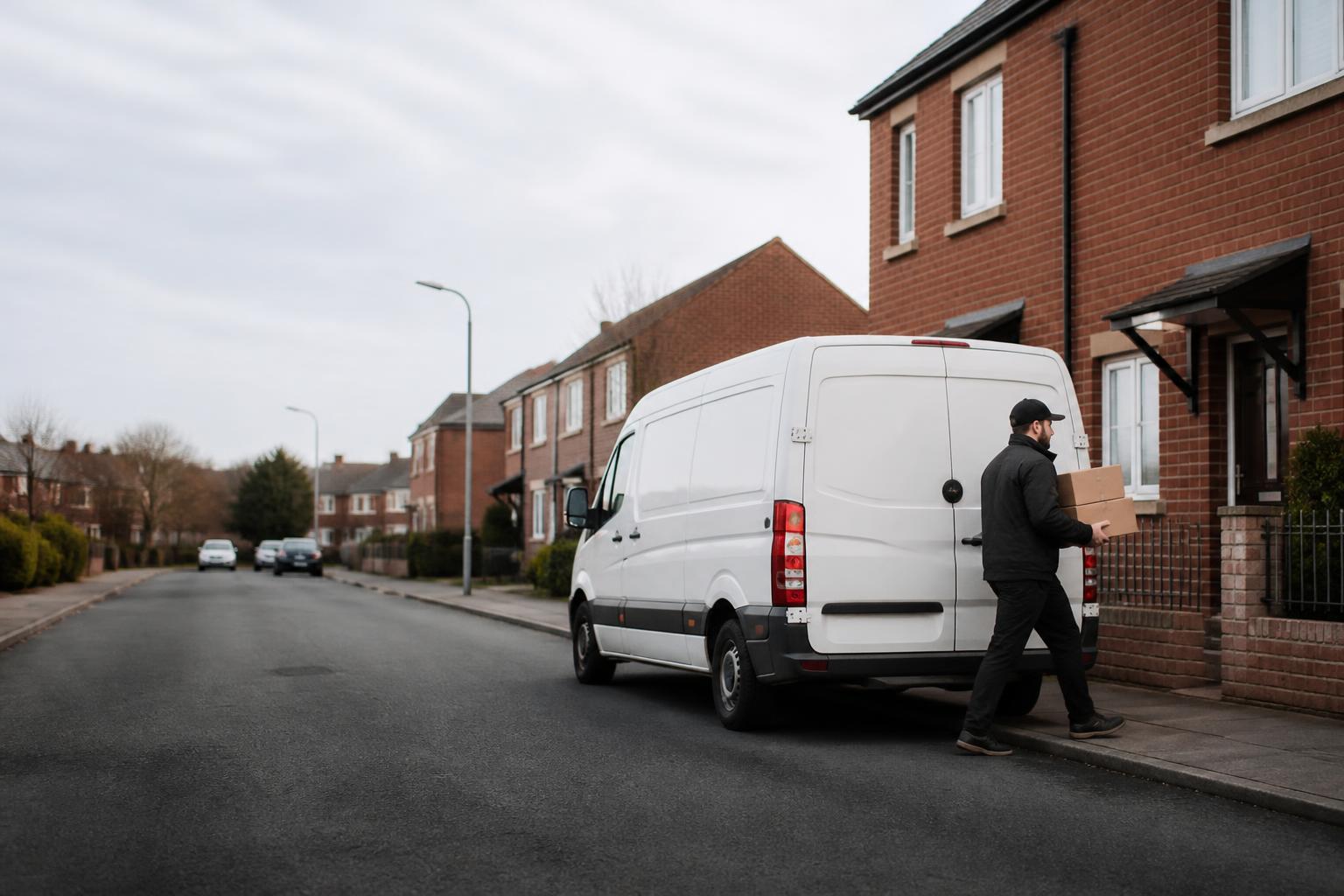
When courier operators compare software to track driver licence checks for courier fleets, the right choice usually comes down to one question. Do we only need a way to run and record licence checks, or do we need a system that keeps the wider operator-licence file under control as well?
For many courier fleets, licence checking is not a standalone task. It sits alongside Driver CPC and DQC expiry dates, vehicle inspections, MOT and annual-test deadlines, defect reporting, tachograph records, agency driver onboarding and evidence for the Traffic Commissioner. That is where comparisons become more practical. A system may look fine for checking a licence once, but still leave transport managers chasing documents by email, storing evidence in separate folders and rebuilding an audit trail when DVSA asks questions.
What courier fleets need from licence check software
Courier fleets need a system that reflects how licence checking actually works in daily operation. That means more than a pass or fail result from DVLA. It means setting a checking policy, applying it consistently, recording what was checked, and keeping evidence that can be produced later.
The first requirement is frequency. In the UK, there is no single fixed legal interval that applies to every operator in every circumstance. Operators are expected to have a risk-based process. A driver with a clean licence may be checked less often than a driver with points, recent offences, category restrictions or a role involving higher mileage and tighter delivery schedules. A good system must let us set different review intervals by risk level, not force every driver into the same cycle.
The second requirement is trigger-based checking. Courier fleets regularly face events that should prompt an additional check outside the normal schedule. Common examples include:
- a new starter joining the fleet
- a driver moving onto a different vehicle type
- a collision or road traffic offence
- a driver returning after a long absence
- an agency or temporary driver being booked for work
- a manager becoming aware of medical issues or restrictions
- a licence entitlement needed for a new contract
If software cannot capture these exception checks clearly, the record becomes incomplete. In practice, that is often where operators get caught out. The scheduled check was done, but the higher-risk event in between was not recorded properly.
Evidence matters just as much as the check itself. For a courier operator, the file should show when the check was requested, when it was completed, what the result was, who reviewed it and what action followed. If a licence came back with endorsements, restrictions or missing entitlement, we need the software to show that the issue was escalated and resolved. An audit trail is not a luxury. It is the difference between a controlled process and a folder of screenshots.
Agency and temporary drivers need particular attention. Many courier fleets rely on short-notice cover, peak-season labour and subcontracted resource. That creates a gap in weaker systems, because the software is built around permanent employees only. In reality, agency drivers still need their licence checked, their entitlement confirmed, and their documents stored against the work they are doing for us. If the records sit with the agency and nowhere in our own system, we may struggle to show proper control.
Courier operators should also think beyond the photocard expiry date. A valid-looking card is not enough. The checking process should confirm current entitlement, categories, endorsements and any issues that affect suitability for the role. Where the role also requires Driver CPC, the software should not treat that as a separate afterthought. It should sit in the same driver record.
This is also where UK-specific process matters. British operators will usually be working with DVLA data and UK operator-licence expectations. If a software supplier talks in broad EU terms without reflecting actual UK records, workflows and evidence standards, that is a warning sign. The UK process needs to fit DVSA expectations and the practical reality of what a transport manager may need to show a Traffic Commissioner.
For a fuller view of what operators should record and retain, our guide to driver licence checks for operators sets out the process in more detail.
Which features matter most when comparing systems
When we compare systems, the most useful approach is to ignore broad claims and look at the workflow from start to finish.
Start with the DVLA checking process. How is the check initiated? Does the system support a clean, repeatable workflow for obtaining the information needed, running the check and saving the result to the driver file? Can a transport office see which checks are due, in progress or overdue without opening each record individually? If a supplier only says that it "integrates with DVLA", that is not enough. We need to know what the day-to-day process looks like.
Reminders are the next practical test. A courier fleet needs reminders that are visible before a deadline is missed, not after. Good systems allow reminders by role, depot or risk level, and make overdue items obvious. Better still, they show the next action required, rather than just producing a list of dates.
Document storage matters because licence checking rarely stands alone. We often need to keep copies of declarations, signed review notes, proof of follow-up and related onboarding documents. If the software stores only the check result but forces the rest into email folders or shared drives, the record is fragmented from the start.
Driver CPC and DQC tracking should be built in where the role requires it. A system that tracks the driving licence but ignores Driver CPC validity leaves transport managers with two separate compliance processes for the same person. That creates avoidable risk. The same applies if the software records DQC expiry but cannot show whether the driver has been removed from driving duties when it lapses.
Reporting is another useful separator. Courier operators need more than a list of all drivers. We need reports that answer operational questions quickly, such as:
- Which drivers are due a licence check in the next 30 days?
- Which drivers have endorsements or restrictions?
- Which agency drivers have incomplete records?
- Which depots have overdue checks?
- Which drivers have a current licence but an expired DQC?
User access should reflect how fleets actually work. A national courier business may need central compliance oversight, depot-level visibility, restricted agency access and read-only access for senior managers. If everyone sees everything, or if permissions are too rigid, the system becomes either risky or unusable.
Finally, look closely at the audit trail. Can we see who added, changed or approved a record? Can we tell whether a document was uploaded before or after an incident? Can we prove that a transport manager reviewed a failed or high-risk result? These details matter when DVSA asks for records or when a file is prepared for the Traffic Commissioner.
If your comparison is broader than driver records alone, our article on choosing software that keeps your O-licence file ready covers the wider evidence standard operators should have in mind.
Driver check tools versus full compliance platforms
Some courier fleets genuinely only need a driver check tool. If the business has a small number of drivers, no operator-licence obligations beyond basic records, and a separate established process for vehicles and tachographs, a standalone system may be enough.
That is not the usual position once a fleet grows. As soon as we are managing multiple depots, mixed vehicle types, agency labour or operator-licence scrutiny, separate tools start creating gaps. One system holds licence checks. Another holds Driver CPC dates. Another stores inspection sheets. Tachograph files sit elsewhere. The transport manager then becomes the link between disconnected records.
That approach usually fails in two places. First, deadlines get missed because no single dashboard shows the whole picture. Second, evidence becomes difficult to produce because the story of one driver or one vehicle is spread across several systems.
A full compliance platform is usually the better fit where courier fleets need:
- driver licence checks and Driver CPC tracking in the same record
- vehicle, trailer and driver deadlines in one calendar view
- inspection and defect evidence linked to the relevant asset
- tachograph analysis and follow-up under the same compliance process
- records that can be reviewed by depot, contract or operating centre
- a file that stands up to external scrutiny without manual rebuilding
There is also a practical point about accountability. If one system flags a licence issue and another system controls driver allocation, someone still has to connect the two. In a busy courier operation, that often means avoidable manual chasing.
At Operator Compliance, we are not a point solution for one isolated task. We are built for operators who need licence checking to sit alongside the rest of the operator-licence file. That includes driver records, vehicle and trailer records, MOT and annual-test dates, inspections, VOR status and tachograph evidence. Because OperatorCompliance is built by Fleeta Limited, with the product shaped around the DVSA Guide to Maintaining Roadworthiness and the realities of running under an operator licence, the comparison is not between a checking app and a spreadsheet. It is between a fragmented process and one compliance system.
For some operators, integration also matters. If a business already uses other systems for workshop management, HR or telematics, it is worth asking whether data can move cleanly by REST API or webhooks. That matters less than core usability, but it can save rekeying where the surrounding systems are already established.
How to assess day-to-day usability for transport managers
The best way to judge usability is to follow a real task, not a demo script. Ask what happens when a new courier driver starts tomorrow, when an agency driver turns up with incomplete information, or when a scheduled licence check comes back with endorsements that need review.
Setup should be straightforward. We should be able to add drivers, assign review intervals, record licence categories and attach supporting documents without a long implementation project. If the system is awkward at the point of entry, data quality drops quickly.
Exception handling is where many products show their limits. It is easy to demonstrate a clean licence and a complete file. It is harder to manage missing data, failed checks, temporary workers and documents that arrive late. A transport manager should ask:
- What happens if a driver has no DQC on file?
- What happens if a licence check is due but the driver has not provided the required information?
- Can we mark a driver as not cleared for driving?
- Can we record follow-up actions and signed evidence?
- Can we separate overdue paperwork from genuinely prohibited driving?
Signed evidence is especially important. If a manager reviews a result and decides on action, the software should retain that decision clearly. The same goes for declarations, acknowledgements and any supporting notes. If the system relies on free-text comments with no structure, consistency will suffer.
Dashboard visibility should support action, not just display data. A useful dashboard for a courier fleet shows what is due, what is overdue, what is high-risk and what is preventing a driver from being used. It should not require multiple exports and filters to reach basic answers.
The final test is whether the system reduces manual chasing. Good software should cut down the need for separate diary reminders, spreadsheets and email trails. If transport managers still have to maintain their own shadow process to feel safe, the system is not doing enough.
Usability also includes the records around the driver, not only the licence itself. In many courier fleets, a driver file should sit close to defect reporting, onboarding forms and right to work evidence. Our guidance on right to work checks for drivers is relevant here because incomplete driver records rarely stop at one document type.
How Operator Compliance fits courier fleets
Operator Compliance fits courier fleets that need licence checks as part of a wider compliance system, not as a standalone tick-box exercise.
In practice, that means we are strongest where the fleet needs to control driver, vehicle and trailer records together. Courier operators often start by searching for software to track driver licence checks for courier fleets, then realise the real problem is broader. They also need MOT and annual-test dates in one place. They need inspection schedules. They need defect reporting. They need tachograph records and follow-up. They need a file that can be shown to DVSA without pulling documents from five different sources.
That is the gap we are built to close.
With OperatorCompliance, the driver record sits in the same environment as the rest of the operator’s compliance activity. That matters for courier fleets using vans, HGVs or mixed assets, and for operators managing both employed and agency drivers. It also matters where the transport office has to account for what happened, who reviewed it and what action was taken.
Our approach is practical. We focus on the records and deadlines operators are expected to control. That includes licence checks, Driver CPC and DQC dates, vehicle and trailer compliance items, MOT and annual-test planning, inspection evidence, tachograph records and VOR management. If a vehicle is off the road, if a driver record is incomplete, or if a deadline is approaching, we want that visible in one operational view.
We also recognise that courier fleets often work across multiple operating centres and fast-moving rosters. A system has to be clear enough for daily use, not just formal enough for an audit. That is why the comparison should not stop at feature lists. The real question is whether the software helps us run the fleet and maintain the file at the same time.
Where operators want to connect records further, there may also be wider data points to consider, such as insurance verification through askMID, which is run by the Motor Insurers' Bureau, also referred to as MIB, or links to other fleet systems. Some businesses will compare us with broader fleet products or data services such as Fleetalyse or Logivo.AI. Those comparisons are only useful if they come back to the same operational standard. Can the system keep the operator-licence file clear, current and defensible?
That is the standard we work to. We are not trying to be a simple reminder app for one document type. We are built for UK operators who need their compliance records in order, in a form that reflects how DVSA enforcement and Traffic Commissioner scrutiny actually work.
For courier fleets, that usually leads to a simple conclusion. If licence checks are just one moving part in a bigger compliance picture, it is better to manage them inside the same system as the rest of the operator file. That is where Operator Compliance sits in the comparison.
How often should a courier fleet check driver licences?
It depends on your risk policy and driver profile. Many operators use more frequent checks for higher-risk drivers and less frequent checks for lower-risk drivers, but the key point is having a clear policy, evidence and follow-up.
Is a DVLA check on its own enough?
Usually not. Operators often also need a record of who was checked, when it was checked, what was found, what action was taken and whether DQC or Driver CPC dates were also reviewed.
Can licence check software help with agency drivers?
Yes, if it can store driver records, check dates, documents and evidence consistently. The important point is whether temporary and agency drivers can be added quickly and reviewed to the same standard as employed drivers.
What should transport managers look for in reports?
Look for overdue checks, upcoming expiries, drivers with endorsements or missing documents, and a clear audit trail. Reports should help you act on exceptions, not just list data.
When does a courier fleet need more than a driver checking tool?
If you also need to manage MOT, annual-test, inspections, tachograph evidence, vehicle files and records for the Traffic Commissioner, a wider compliance platform is usually more practical than separate systems.