· 12 min read
How to use the DVS map to plan safer London routes
A practical guide to the London DVS map, where the zone applies, which vehicles are affected and how operators can plan compliant routes.
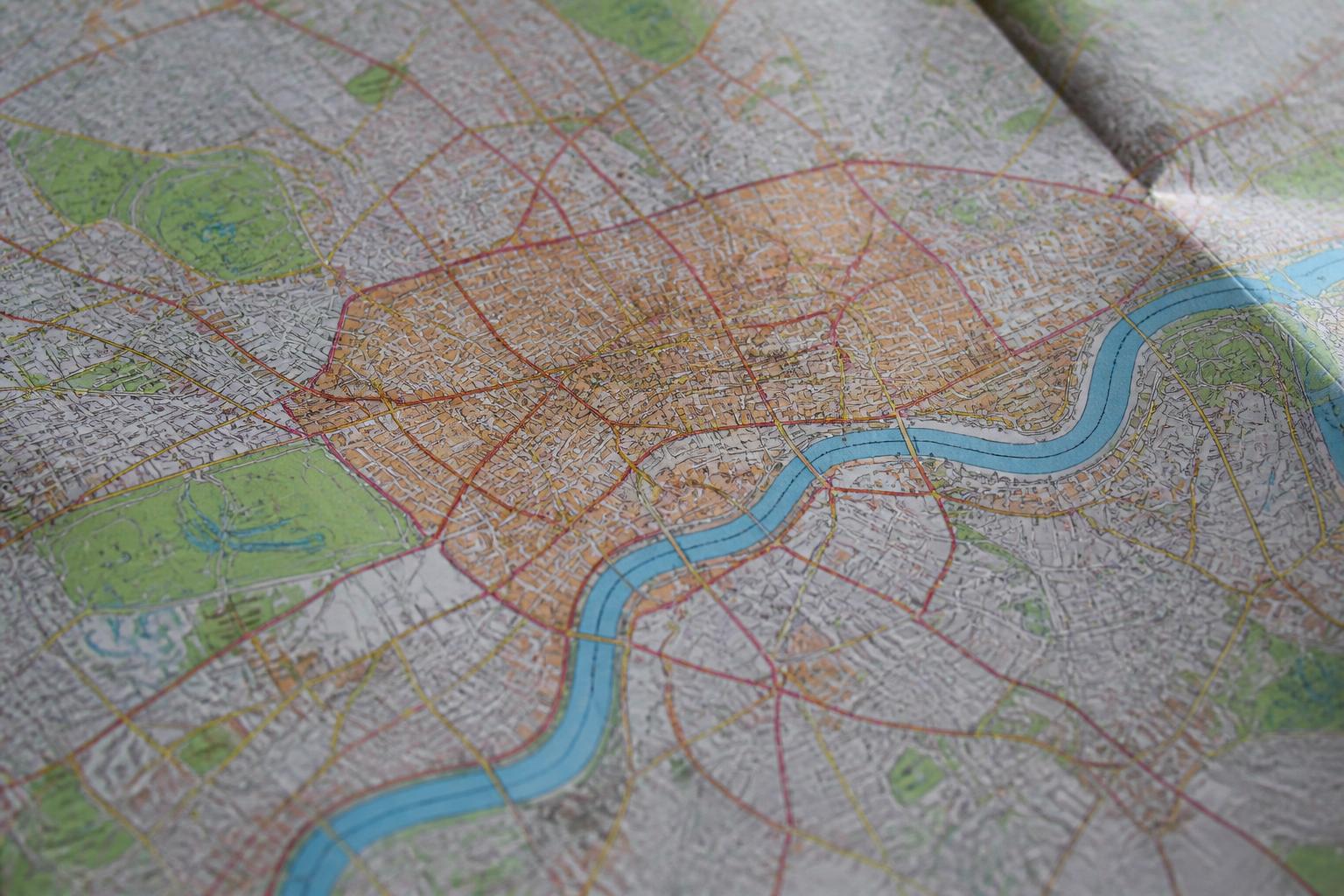
If you send vehicles into London, the DVS map is not something to glance at after the job is booked. It is part of route planning, vehicle allocation and evidence. The point is simple, you need to know whether the journey enters the Direct Vision Standard area, whether the vehicle meets the current requirement for that operation, and whether you can prove you checked before the vehicle moved.
For most operators, the safest approach is to treat the DVS map as a planning control, not just a reference image. We use it alongside vehicle records, permit status, maintenance dates, driver documents and route notes, so that a traffic office can show what was checked, when it was checked and who made the decision.
What the DVS map shows and why operators use it
The DVS zone map shows the London area where the Direct Vision Standard rules apply to relevant heavy goods vehicles. In practice, operators use the map to identify whether a planned route crosses into Greater London for DVS purposes, not just whether a delivery point has a London postcode. That matters because plenty of journeys start outside London, cross the boundary briefly and then leave again. If the route enters the zone at any point, the compliance check needs to happen before the vehicle goes.
Transport managers use the map for three main reasons.
First, it helps with vehicle allocation. If one vehicle in the fleet has the correct permit or safety standard for the zone and another does not, the map tells the planner which one must take the job.
Second, it reduces avoidable infringements on occasional work. A regular London operator may know the boundary well. An owner-driver, subcontractor or regional fleet doing a one-off collection often does not. The map gives the office a fixed reference point before a vehicle is dispatched.
Third, it supports evidence. If a driver is stopped, or if a question later arises from a customer, an internal audit or the Traffic Commissioner, we need to show that route compliance was part of the transport process and not left to chance.
That is why we keep the DVS check close to the rest of the operator record. The map itself is only one part. The useful part is the decision it supports, whether the route enters the zone, which vehicle is assigned, whether the permit is in place, and whether the driver has been briefed on the approved route and any restrictions.
If you want a direct reference point for planning, our London DVS zone map guide is the page we use when checking whether a journey will cross into the area.
Which vehicles need checking before entering the zone
The vehicles most likely to be affected are heavy goods vehicles operating in or through London. That includes national fleets, local hauliers, builders' merchants, waste and construction operators, specialist vehicles and owner-drivers. If the vehicle enters the zone, even for part of the journey, it should be checked against the current DVS requirements before it goes.
This is where operators need to be careful with assumptions. A fleet may think of itself as "not a London operator" because the depot is outside the M25 or because only a few jobs each month go into the capital. That makes no difference if the route crosses the boundary. The same applies to subcontract work. If we are assigning a vehicle to a job that enters the zone, we should check the vehicle status before the keys are handed over, whether it is our own unit or a regular subcontractor's.
Different vehicle categories and use cases can raise different questions, so readers should confirm the current DVS rules that apply to their own fleet and operation. That includes checking whether the vehicle type is within scope, whether any permit or safety requirement applies, and whether the current London rules have changed since the last review. Rules and enforcement practices can be updated, and London-specific requirements are not the same thing as general UK or EU road transport rules.
That distinction matters. In the UK, operator licensing, maintenance records, MOT and annual-test duties, tachograph rules and driver licensing obligations sit within a national framework. DVS is a London access scheme layered on top of that for relevant journeys. So a vehicle can be fully in test, properly inspected and correctly licensed, and still be non-compliant for a London route if the DVS requirement has not been met.
Operators of vans, buses, coaches, taxis and private hire vehicles should also avoid assuming that one London scheme automatically mirrors another. Different schemes cover different vehicle classes and purposes. The route planner should always confirm which rule set applies to the specific vehicle and journey, rather than relying on memory from another compliance regime.
How to read the zone boundary for real journeys
The practical question is not "is this a London job?" but "does this actual route enter the DVS area?" That means reading the boundary against the real movement of the vehicle, including approach roads, ring roads, depot exits, diversions and return legs.
For deliveries and collections, start with the exact site address and then trace the likely route in and out. Do not stop at the customer postcode. Some sites sit close to the boundary, and a route that looks external on a quick glance may dip into the zone for the safest or fastest access. If the routeing software offers more than one option, check each one that a driver is likely to use.
For depot access, check the route from the operating centre, parking site or overnight location, not just from the office address. A vehicle parked outside London may still need to pass through the zone to reach a trunk road. A depot inside the zone obviously makes the issue permanent, but edge-of-zone parking can be just as important because it creates repeated short entries that are easy to overlook.
For diversions, assume that normal routeing may not hold. Road closures, bridge restrictions, utility works and police incidents can all push a vehicle over a boundary it would not usually cross. Where a regular run is close to the edge, drivers should be briefed on approved alternatives. If a diversion would take a non-compliant vehicle into the zone, the office needs a clear instruction on what the driver should do instead of making an on-road decision under pressure.
For night work, do not assume lower traffic means lower risk. Out-of-hours jobs often involve different access points, security gates, timed bookings and less familiar routes. The planner should check the boundary in the same way as for a daytime run, and the driver should have the route note before departure.
For occasional trips into London, the safest method is to use a simple pre-dispatch checklist. Is the destination in or near the zone? Does the route cross the boundary? Is the allocated vehicle cleared for entry? Has the driver been told not to deviate without calling in? This is where a documented process matters most, because occasional jobs are where memory and habit are weakest.
If you also manage emissions-related route restrictions, our guide to London and UK clean air zone checks for HGVs helps keep those checks separate from DVS, while still building them into the same planning routine.
What to do if a route crosses into the DVS area
Once a route is confirmed as entering the zone, the office should make four practical checks before the vehicle moves.
The first is permit or compliance status. Confirm that the allocated vehicle meets the current requirement for the DVS area. Do not rely on a driver saying "this one always goes to London" or an old spreadsheet that may not reflect a vehicle change, plate transfer, disposal or replacement. Check the live fleet record.
The second is vehicle allocation. Make sure the right registration has been assigned to the job, and that the dispatch board, job sheet and any telematics or POD system all show the same vehicle. A surprising number of avoidable problems come from a last-minute unit swap that was never reflected in the compliance check. If the planned vehicle goes VOR, the replacement needs the same review before it is sent.
The third is driver briefing. The driver should know that the route enters the DVS area, which route is approved, what to do if diverted, and who to call if the route changes. This is especially important on agency cover, subcontract work, weekend work and night trunking, where the person behind the wheel may not know the area or the customer's access instructions. A briefing note does not need to be long, but it should be specific enough to stop guesswork.
The fourth is evidence. Keep a record that the route was checked, the vehicle was confirmed suitable, and the driver was instructed. If the process is digital, log the date, time and user. If it is paper-based, make sure it can be retrieved later and tied to the job, registration and driver. Evidence is what turns a good intention into an auditable system.
In practice, our preferred record set for a DVS-sensitive journey looks like this:
- job or movement reference
- planned destination and route note
- registration allocated
- permit or status confirmation
- driver name
- date and time of check
- planner or transport office user who completed it
- any change of vehicle, with revised check recorded
- any diversion or exception reported by the driver
That level of record keeping is proportionate. It is also useful if a customer queries a failed delivery, if a penalty risk is raised, or if a public inquiry later looks at whether the operator had effective systems.
How the DVS map fits into day-to-day fleet compliance
A DVS route check should sit inside the same daily discipline as the rest of operator compliance work. It is not a separate admin task for London jobs. It is one more gate in the dispatch process, alongside roadworthiness, driver entitlement and records control.
That means linking route checks to core fleet records. If a vehicle is due an MOT or annual-test, that deadline already affects whether it should be allocated. If a safety inspection is due, that also affects allocation. If a unit is VOR, the replacement vehicle may change the DVS answer. If a driver's licence check shows a problem at DVLA, or a Driver CPC or DQC issue means the driver should not be allocated, the route cannot go ahead simply because the vehicle itself is suitable for London.
The same applies to tachograph records and working time evidence. A compliant London vehicle still cannot lawfully take the job if the driver's hours position does not allow it. Good transport management is not a stack of separate checks. It is one dispatch decision supported by several records.
For operators under scrutiny, this matters to the Traffic Commissioner as much as the underlying rule itself. At public inquiry, the question is rarely just whether a single event happened. It is whether the operator had systems, whether those systems were followed, and whether exceptions were visible and corrected. A route crossing into the DVS area without a documented check can look like weak control in exactly the same way as missed inspections, poor defect reporting or incomplete licence checks.
This is why we built Operator Compliance around joined-up records rather than isolated reminders. In OperatorCompliance, transport managers can keep vehicle and driver evidence in one place, so route-sensitive decisions are made with the same data used for MOT scheduling, annual-test planning, inspection history, licence checks, Driver CPC records and tachograph analysis. That is the practical advantage of software built by Fleeta Limited, by a team that understands operator-licence evidence from the inside and works around the DVSA Guide to Maintaining Roadworthiness.
For some fleets, integration also matters. If you pull data from other systems through a REST API or trigger updates with webhooks, route planning and compliance status can be kept closer together. If you verify insurance details through askMID, which is the service associated with the Motor Insurers' Bureau, also referred to as MIB, that can sit alongside the same dispatch controls. If you are comparing tools such as Fleetalyse or Logivo.AI, the useful question is not just which system stores data, but which one helps you prove control over the whole transport process.
That process still needs people to use it properly. A software record is only as good as the operating discipline behind it. We recommend a simple routine:
- check the route before accepting or allocating the job
- confirm the vehicle's London status before dispatch
- brief the driver on route and escalation
- record any vehicle swap immediately
- retain evidence with the job and vehicle file
- review exceptions in the weekly compliance meeting, whether you run that by calendar week or ISO week
Where records also feed into VOL files, maintenance reviews or audit packs, that consistency saves time. It also reduces the risk of one person holding critical route knowledge in their head instead of in the system.
If you want to see how we organise those records in practice, you can compare fleet compliance tools and record-keeping features or read more in our operator compliance articles and planning guides.
The DVS map is useful because it answers a basic operational question, does this journey enter the London zone or not. The compliance value comes from what happens next. Once the boundary check is built into dispatch, vehicle allocation, driver briefing and evidence retention, London work becomes a controlled process rather than a last-minute judgement call. That is the standard operators should aim for, whether they enter the zone every day or only once in a while.
What is the DVS zone map used for?
It is used to identify whether a planned journey enters the London area covered by Direct Vision Standard rules, so operators can check the vehicle and permit requirements before travel.
Does the DVS map apply to every vehicle in a fleet?
No. Operators need to check which vehicle classes and gross weights are covered by the current London rules, then match that against the vehicles they plan to send into the zone.
Can I rely on the map alone for compliance?
No. The map shows the area, but compliance also depends on the vehicle, any permit or safety equipment requirements, and whether the journey is actually entering the controlled zone.
Should occasional London trips be checked as carefully as regular work?
Yes. One-off jobs, subcontracted work and diverted routes can still enter the zone, so the same route and vehicle checks should be done before the vehicle moves.
What records should operators keep for DVS checks?
Keep route decisions, vehicle allocation notes, permit evidence where relevant, and any driver instructions with the rest of your fleet compliance records for audit and review.