· 12 min read
Keeping Driver CPC and expiry dates under control
A practical comparison of software for tracking Driver CPC, DQC and fleet driver expiry dates, with the checks UK transport managers need.
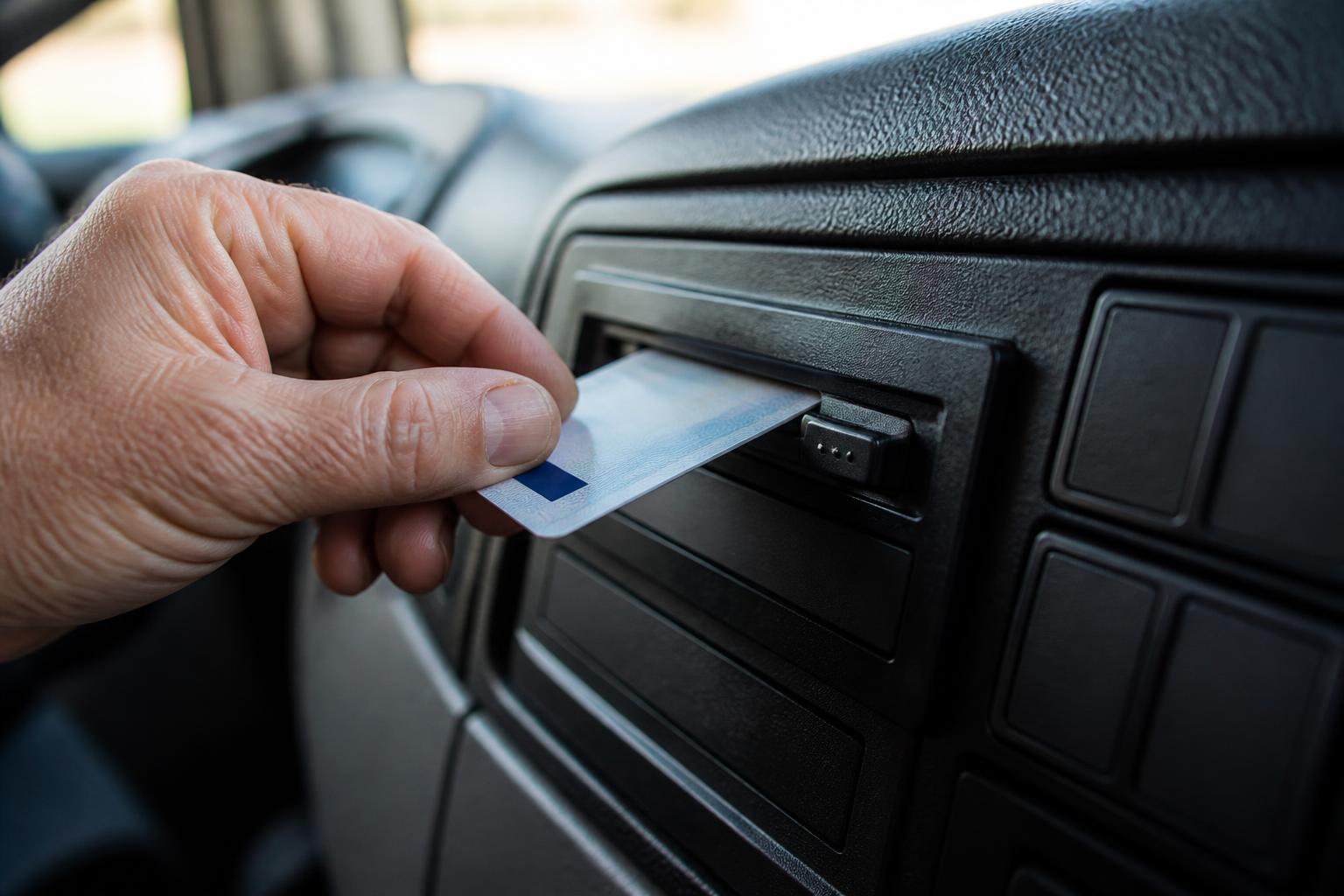
If you are trying to keep Driver CPC records and expiry dates under control, the software needs to do more than send reminders. For a UK operator, the real job is to hold the evidence behind each date, show who checked it, record what action was taken, and keep that information alongside the rest of the operator-licence file. That matters when a driver is due to work tomorrow, when a licence check finds a problem, and when DVSA or the Traffic Commissioner asks to see records.
For most transport managers, the issue is not one date in isolation. It is the overlap between Driver CPC, DQC validity, driving licence checks, tachograph issues, induction records, vehicle inspections, MOT or annual-test dates, and the signed evidence that proves the system is being used properly. That is where a spreadsheet starts to break down, and where a proper compliance platform becomes useful.
What transport managers need from this type of software
Transport managers need one place to control driver compliance dates and the records behind them. In practice, that means software that can tell us three things quickly.
First, who is compliant today. We need to know whether a driver holds the right entitlement, whether their Driver CPC is current, whether the DQC expiry date is approaching, and whether any internal checks or training are overdue.
Second, what is due next. A useful system does not just list dates. It prioritises them, flags approaching deadlines early enough to act, and makes clear who owns the task. A red warning on the day of expiry is too late if shifts are already planned.
Third, what evidence supports the record. If a driver says they have renewed a card or completed training, we need a place to store the document, note the date checked, and record who verified it. During an audit or a DVSA visit, the date itself is only part of the answer.
For UK fleets, Driver CPC management also sits within a wider legal and operational framework than many generic HR tools recognise. Goods vehicle and passenger vehicle operators are not just tracking employee qualifications. We are managing records that affect road safety, professional competence and operator-licence undertakings. That is why transport managers often end up looking for software to keep transport manager CPC records and expiry dates for fleet drivers under control, then realise they also need the surrounding compliance file.
A workable system should also reflect how transport offices actually run. Drivers join, leave, change depots, move between vehicle types, and work through agencies. Some records are checked centrally, some by depot staff, and some by the transport manager. The software must cope with that without losing accountability.
In practical terms, we would expect the system to provide:
- driver profiles with key dates and document storage
- alerts before expiry, not just on expiry
- task allocation to named users
- a visible status for overdue items
- notes, uploads and signed records
- reporting by depot, driver, date type or risk level
- a clear audit trail of who changed what and when
That last point matters more than many buyers expect. If a date is wrong, if a driver was allowed to work after expiry, or if a document was uploaded late, we need to see the history. A system that only shows the latest entry is weak when records are challenged.
Which records and deadlines should be tracked together
Driver CPC dates rarely sit alone. Operators usually need a set of linked records in the same system, because the transport office makes decisions across all of them at once.
At driver level, the core records usually include:
- driving licence checks
- Driver CPC or DQC expiry date
- right to work documents, where relevant to internal process
- driver induction and policy acknowledgements
- tachograph card expiry date
- digital tachograph infringements and follow-up actions
- medical dates where applicable to role or entitlement
- agency driver approvals and periodic re-checks
- accident, incident or disciplinary records linked to driving risk
At vehicle and trailer level, the same operation is usually also tracking:
- MOT dates
- annual-test dates for applicable fleets
- safety inspection intervals
- preventative maintenance bookings
- defect reporting and rectification evidence
- tyre inspections
- calibration dates
- VOR periods and release back to service
- insurance details and policy dates
- tax and other operating deadlines
For goods and passenger operators, keeping these records apart creates obvious risk. A driver can look compliant on one spreadsheet while the vehicle file tells a different story. A depot can be chasing a DQC renewal while missing an annual-test booking. A licence check can identify an issue, but if the result is not linked to task management, no one owns the follow-up.
Separate spreadsheets also create version control problems. One person updates the date, another stores the scan in a shared folder, a third sends an email reminder, and nobody can show a clean audit trail. If a transport manager is absent, the process often stalls because the knowledge sits with the person rather than in the system.
This is why many operators want one platform that covers the driver record and the operator-licence file together. The benefit is not just convenience. It is the ability to see compliance in context. If a driver’s licence check is due, we can review their tachograph follow-up at the same time. If a vehicle is VOR, we can show the maintenance and release records without searching across multiple systems. Our article on how to compare compliance systems for UK transport managers goes into that wider comparison in more detail.
There is also a UK-specific point here. Some software is built with a broad EU fleet market in mind and treats driver qualification dates as a generic credential issue. UK operators need records that fit UK workflows, including DVLA checking, DVSA maintenance expectations, and the evidence standards that matter if the Traffic Commissioner reviews the operation. Where rules differ between the UK and the EU generally, the software should not blur them into one process.
How to compare software beyond reminders
A reminder system is easy to buy and easy to outgrow. The better test is to ask what happens after the reminder appears.
If a DQC is due to expire in 30 days, the software should let us assign the action, record contact with the driver, upload replacement evidence when received, and show whether the task was completed on time. If it cannot do that, we still end up relying on email chains and handwritten notes.
When comparing systems, we suggest looking at five practical areas.
First, evidence storage. Can we store scans, photos, PDFs and other files against the driver or vehicle record? Is it easy to retrieve them during an audit? A date without the supporting document is only half a record.
Second, audit trail. The system should record who entered the date, who changed it, when reminders were generated, and when evidence was added. If a deadline is missed, we need to understand why. If the record is challenged, we need to show the history.
Third, task ownership. Alerts sent to a general inbox are not enough. Good software lets us assign tasks to named users, track progress, and escalate overdue actions. That is especially important across multiple depots or where agency staff are involved.
Fourth, reporting. We should be able to see upcoming expiries by period, depot, driver group or document type. It helps if reporting can also show overdue items, missing evidence and trends in repeated failures. Operationally, that is how we move from reacting to managing.
Fifth, signed records. In operator-licence compliance, a signed or acknowledged record often matters as much as the date itself. That could be a signed debrief, a defect acknowledgement, a completed check, or an internal policy confirmation. If the software cannot capture that evidence, we still need a parallel paper process.
There are also technical points worth checking. Can the system exchange data through a REST API if we need it to connect to another platform? Does it support webhooks for event-based updates? Can it fit with related fleet data sources, such as askMID through the Motor Insurers' Bureau or MIB, where those checks form part of our process? Those are not the first questions every operator asks, but they matter once the system becomes central to compliance.
For transport teams that want licence checks integrated into the same workflow, our guide to driver licence check software for courier fleets shows the sort of features that make a difference in daily use.
When a driver-record tool is enough and when it is not
A simple driver-expiry tool can be enough if the operation is small and the requirement is narrow. For example, if we only need to monitor Driver CPC, DQC, driving licence checks and a few internal training dates for a limited number of drivers, a focused system may do the job.
That tends to work best where:
- there are few vehicles or none under our operator licence
- maintenance records are handled elsewhere with strong controls
- the user base is small
- the process is centralised with one person owning updates
- there is little need for cross-reporting between driver and vehicle records
Even then, the tool still needs evidence storage, reminders, and a decent audit trail. A basic calendar with email alerts is not the same thing.
A broader compliance platform is usually the better choice when the driver record affects wider operator-licence obligations. That is the case for most haulage fleets, bus and coach operators, mixed van and HGV fleets, owner-drivers growing beyond a handful of assets, and agencies that need documented checks across multiple people and dates.
You are more likely to need the broader platform if:
- you hold an operator licence and need records ready for DVSA
- you manage MOT, annual-test, inspection and defect dates as well as driver dates
- you need tachograph analysis and follow-up evidence in the same place
- multiple users update records across depots or contracts
- you need signed evidence for a public inquiry or audit file
- you want one system of record rather than spreadsheets plus shared folders
- you need to show transport manager oversight, not just reminders
That is the point at which a driver-only tool starts to create blind spots. It may tell us a driver’s DQC expires next month, but it will not show whether the vehicle file is complete, whether VOR periods were recorded correctly, whether defects were signed off, or whether the transport manager can demonstrate effective control across the whole operation.
How Operator Compliance fits a UK operator-licence workflow
Operator Compliance is built for operators that need driver records linked to the rest of the compliance file, not kept in a separate admin silo. We use it in the way UK goods and passenger fleets actually work, with driver, vehicle and trailer obligations managed together and backed by evidence.
That matters because the transport manager’s job is not to maintain a list of dates. It is to run a compliant system. In a UK operator-licence workflow, a Driver CPC date can lead to a licence check, a driver conversation, a document upload, a signed note, and a scheduling decision. The same office is also managing inspections, MOT or annual-test bookings, VOR periods, tachograph issues and maintenance records. OperatorCompliance is designed around that joined-up process.
The platform has been built by Fleeta Limited, and that background matters. The product reflects the record-keeping expectations operators deal with in real life, including the structure set out in the DVSA Guide to Maintaining Roadworthiness. It is not a generic HR reminder app with transport labels added afterwards.
In practice, operators use Operator Compliance to keep:
- driver licence and Driver CPC records
- DQC and other expiry dates
- vehicle and trailer maintenance schedules
- MOT and annual-test deadlines
- defect and rectification evidence
- VOR history
- tachograph analysis records and follow-up actions
- signed documents and audit-ready supporting files
That is useful day to day, and it is useful when records need to be produced quickly. If DVSA visits, if a customer audits the fleet, or if the Traffic Commissioner asks for evidence, the file is not spread across spreadsheets, inboxes and depot folders.
Operator Compliance also fits the wider management routine around operator-licence responsibilities. Transport managers often need to review upcoming deadlines by depot, confirm that inspections have been completed on time, and check that overdue driver actions have been followed up. Those are operational tasks, not just data-entry tasks. Our page for transport managers who need one place for driver, vehicle and trailer compliance explains that workflow in more detail.
For operators who are building a stronger compliance file, the system also sits naturally alongside processes such as VOL record management, tachograph review, and maintenance oversight. If your concern includes whether your VOR records would stand up to scrutiny, our article on keeping VOR records ready for a DVSA visit is worth reading as well.
Some operators will also want system connectivity. Where needed, Operator Compliance can sit within a wider fleet technology stack, and terms such as REST API and webhooks matter there. Others simply want a clear, usable compliance record without technical complexity. Both approaches are valid, provided the core workflow remains strong.
We also recognise that some businesses will compare specialist transport systems with adjacent tools or data products, including Fleetalyse or Logivo.AI. The right question is not whether a platform can send an alert. It is whether it supports the actual obligations of a UK operator, with records that make sense to DVSA, to the Traffic Commissioner, and to the transport manager who has to stand behind them.
If your current process for Driver CPC and expiry dates still relies on separate spreadsheets, shared drives and email reminders, the risk is not just that a date gets missed. The bigger risk is that the evidence trail is incomplete when you need it most. A proper compliance system should reduce that risk by tying dates, documents, tasks and accountability together in one place. That is the gap Operator Compliance is built to fill.
What should software track for Driver CPC compliance?
At minimum, it should record Driver CPC status, DQC details, expiry dates, check history, reminders and supporting documents. Many operators also need licence checks and other driver deadlines in the same record.
Is a calendar or spreadsheet enough for CPC expiry dates?
It may work for a very small operation, but it is weak on audit trail, document storage, accountability and reporting. Risk rises quickly once several drivers, depots or agency staff are involved.
Should Driver CPC records sit with vehicle compliance records?
Usually yes. Transport managers often need one view of driver, vehicle and trailer deadlines so they can manage MOT, annual-test, inspections, licence checks and tachograph evidence together.
What evidence might the Traffic Commissioner expect to see?
Operators should be able to show that checks were planned, completed, reviewed and followed up. That usually means dated records, reminders, documents, actions taken and a clear audit trail.
Does Operator Compliance only cover driver records?
No. It is positioned as operator-licence compliance software for UK fleets, so driver records sit alongside vehicle, trailer, deadline and tachograph-related compliance tasks.